(314) 254-9766 info@byrneandjones.com
What are some different types of pavement damage?

What are some different types of pavement damage?
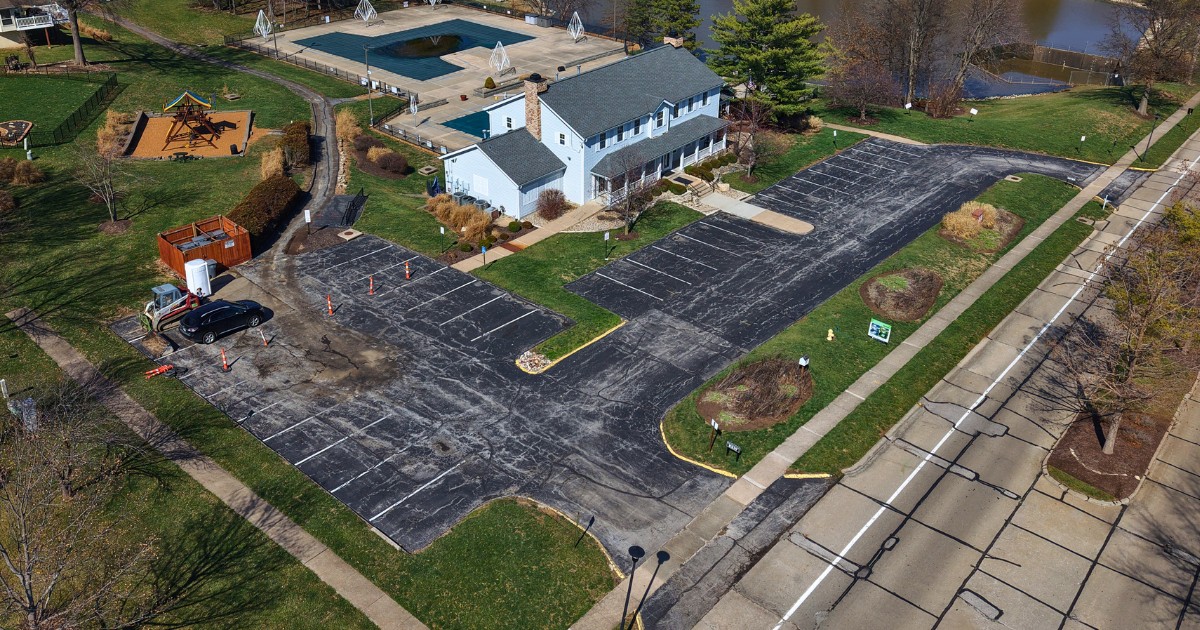
Faded Parking Lot

5 Warning Signs Your Commercial Parking Lot Needs Immediate Attention

Parking lot deterioration rarely announces itself loudly. It happens gradually — a few more cracks each season, a pothole here and there, drainage that seems a little slower than it used to be. By the time most commercial property managers take action, repair options have narrowed considerably and costs have grown substantially.

Whether you manage a retail strip, an office complex, or an industrial facility across the Midwest, the condition of your parking lot directly affects tenant satisfaction, liability exposure, and long-term capital costs. The property managers who control those costs most effectively are the ones who recognize warning signs early — before minor problems become major capital expenditures.

These are the five signals that experienced property managers know to act on immediately. If you’re already seeing multiple signs at once, a free parking lot evaluation from a qualified contractor is the fastest way to understand your current exposure and prioritize repairs.

Read through each sign below, then review the cost-of-waiting framework at the end — it may change how you approach your next maintenance budget cycle.

Sign 1: Alligator Cracking

If you see interconnected cracking that resembles the back of an alligator or a roadmap, you’re looking at the most serious warning sign in asphalt pavement. Alligator cracking — also called fatigue cracking — indicates that the base or subgrade beneath the asphalt has lost its structural integrity. The asphalt is flexing under traffic loads because the foundation beneath it can no longer provide adequate support.

Why Act Immediately

Alligator cracking does not get better on its own. Water infiltrates through the cracks, weakening the base further with every rain event and every freeze-thaw cycle. Each season of delay transforms a correctable base repair into a much larger area of full-depth replacement. An area that costs $8,000 to address this spring may cost $25,000–$35,000 by next spring.

The appropriate response is full-depth patching or replacement in the affected areas — not crack sealing, not sealcoating, not an overlay. If you’re unsure whether what you’re seeing qualifies as fatigue cracking, learn more about commercial asphalt repair and what a proper assessment involves.

Alligator Cracking in a parking Lot

Sign 2: Potholes

Potholes are the end-stage of alligator cracking. Once the fractured pavement breaks loose under traffic, the material dislodges and a hole forms. Potholes are an immediate liability: a vehicle damaged by a pothole on your property creates a legitimate claim, and a person injured by a fall creates significant personal injury exposure.

Why Act Immediately

Pothole repair is relatively inexpensive when performed promptly — $200 to $800 for a typical pothole depending on depth and size. Left unaddressed, potholes expand rapidly. The edges continue to break away, the base becomes saturated, and what was a 2 sq ft hole becomes a 15 sq ft base failure requiring a significantly larger repair.

Important note: If potholes are appearing in multiple locations across your lot, this signals a systemic condition requiring a full assessment — not just spot patching. See our overview of commercial parking lot maintenance services for a breakdown of what a full-condition evaluation covers.

Parking Lot Pothole

Sign 3: Standing Water After Rain

A parking lot that is still visibly wet or ponded 30–60 minutes after a rain has stopped has a drainage problem. Standing water is the primary accelerant of pavement failure: it infiltrates through any available crack, saturates the base course and subgrade, and freezes in winter — expanding and widening damage with every freeze-thaw cycle.

Why Act Immediately

Beyond pavement damage, standing water is a slip-and-fall liability and an accessibility barrier for customers or tenants using wheelchairs or mobility aids. In some cases, drainage solutions are far simpler and less expensive than property managers expect — a clogged catch basin or a localized depression that can be addressed with an infrared patch. A free parking lot assessment is the fastest way to understand whether you’re dealing with a minor maintenance issue or a deeper design problem.

Sign 4: Faded or Missing Striping

Striping that has faded below the threshold of visibility — where drivers can no longer clearly see lane lines, directional arrows, or space boundaries — is both a safety issue and, for accessible parking spaces, a potential ADA violation.

Why Act Immediately

Parking lot striping is among the highest-ROI maintenance activities available to property managers. Restriping a 50,000 sq ft lot typically costs $3,000–$6,000 and immediately improves traffic flow, parking efficiency, liability protection, and property appearance. Faded striping correlates with confusion, minor accidents, inconsistent parking patterns, and — when accessible space markings are involved — legal exposure. It’s also among the first things prospective tenants and their brokers notice when evaluating a property.

Striping Condition Risk Level Typical Action
Visible but fading Low-moderate Schedule restriping within 6 months
Partially visible, ADA spaces unclear High Restripe immediately — ADA compliance exposure
No longer visible Critical Immediate restripe; document liability gap

Sign 5: Edge Deterioration and Crumbling

The edges of a parking lot — where the asphalt meets the curb, sidewalk, or turf — are structurally vulnerable because they lack lateral support on one side. When you see the edges crumbling, cracking, or eroding, it indicates that the pavement is beginning to delaminate or that the subbase has migrated away from the edge.

Why Act Immediately

Edge deterioration is progressive and self-accelerating. Once the edge begins to break apart, water infiltrates more readily, freeze-thaw damage accelerates, and the deterioration spreads inward into otherwise healthy pavement. Edge repair — tack-and-patch or milling and infilling — is relatively economical when addressed early. Ignored, it spreads into the body of the lot and significantly expands the scope of eventual repairs. 

The Cost of Waiting: A Framework

Every year of deferred maintenance on a deteriorating parking lot increases the eventual repair cost — typically at a ratio of 3:1 to 5:1. A $10,000 repair deferred for three years commonly becomes a $30,000–$50,000 repair when the damage has progressed. This is not a contractor upsell. It reflects the physical reality of accelerating pavement deterioration.

Warning Sign Act Now Cost (Est.) Deferred 2–3 Years (Est.)
Alligator cracking (localized) $5,000–$10,000 $25,000–$40,000+
Single pothole $200–$800 $2,000–$8,000 (expanded area)
Drainage correction $500–$3,000 Full base replacement in affected area
Restriping (50,000 sq ft) $3,000–$6,000 Same — plus accumulated liability exposure
Edge repair $1,500–$4,000 $8,000–$20,000 (spread into lot body)

The property managers who control long-term costs most effectively are those who address problems at the early-stage warning signs — not when tenant complaints or insurance claims force the issue.

Columbus Parking Lot Maintenance Schedule | 2026 Guide

Columbus Parking Lot Maintenance Schedule | 2026 Guide

Columbus Parking Lot Maintenance Schedule: A Seasonal Guide for Property Managers

Central Ohio is harder on asphalt than most property managers realize. Columbus averages roughly 40–60 freeze-thaw cycles per year — each one forcing water that has infiltrated pavement cracks to expand and contract, widening those cracks incrementally until what started as a hairline becomes a pothole. Combined with clay-heavy glacial soils that shift seasonally, Columbus parking lots that go without a structured parking lot maintenance schedule tend to fail noticeably faster than lots in warmer or drier markets.

The good news: a well-structured maintenance program in Central Ohio can extend pavement life by 8–12 years and avoid the full-replacement CapEx event that typically runs $175,000 to $325,000 for a 50,000 sq ft lot. If you’re evaluating what replacement might actually cost before committing to a maintenance plan, our 2026 Columbus parking lot cost guide breaks down current pricing in detail.

Below is the seasonal maintenance calendar that professional property managers in Columbus follow — organized by the time of year you need to act, followed by a realistic annual cost breakdown.

Spring: Post-Thaw Inspection (March–April)

Winter is the most destructive season for Columbus asphalt. When the ground freezes and thaws repeatedly, it heaves and settles the pavement surface, opens existing cracks, and creates new ones. Spring inspection — conducted once overnight temperatures are consistently above freezing — is your baseline for the maintenance year. A property manager who skips this step is budgeting blind.

Spring inspection checklist:

  • Walk the entire lot and photograph all new cracking, pothole formation, and pavement heaving
  • Check all drainage structures — catch basins and area drains — for winter debris and settlement
  • Evaluate accessible spaces and routes for new settlement or cross-slope changes that may affect ADA compliance
  • Assess sealcoat condition — if the lot surface appears gray and oxidized rather than black, sealcoating is due
  • Identify any areas of edge cracking or base failure that need repair before the paving season opens

Spring inspection findings drive your maintenance budget and scheduling for the entire year.

Spring/Early Summer: Crack Sealing and Repairs (May–June)

Crack sealing is the highest-ROI maintenance activity in the Columbus market. Research consistently shows that every dollar spent on timely crack sealing prevents $4–6 in future repair costs by keeping water out of the pavement base before freeze-thaw damage accelerates.

When crack sealing is most effective. Hot-pour rubberized crack sealant works best when cracks are 1/4 inch to 1 inch wide and the surrounding asphalt is structurally sound. Properly applied and tooled flush with the surface, it will flex with Columbus’s temperature swings and provide a durable moisture barrier.

Pothole repair and localized patching should also occur in May–June, before sealcoating. Patching over sealcoated surfaces results in poor adhesion and a visually inconsistent finish — always repair first, seal second. For more on maintaining your lot between major services, see our guide parking lot maintenance blog.

Summer: Sealcoating (Late May–September)

Sealcoating protects asphalt from UV oxidation, water infiltration, and chemical damage — oil, gasoline, and deicing salts — that degrade pavement surfaces over time. In Columbus, sealcoating is most effectively applied during summer months when temperatures are consistently above 50°F and rainfall is less frequent.

Recommended sealcoating frequency for Central Ohio: every 3–5 years on well-maintained lots; every 2–3 years on high-traffic or heavily sun-exposed surfaces. New asphalt should cure for 6–12 months before the first sealcoating application.

Plan sealcoating around your tenant and customer traffic schedule. Most Columbus commercial properties sealcoat in phases or overnight to minimize parking disruption. Learn more about what the process involves in our sealcoating guide.

Summer/Fall: Overlay and Resurfacing Window (May–October)

If your spring inspection identified sections that need overlay or resurfacing — rather than simple crack sealing and sealcoating — the summer/fall window is your best paving opportunity. August through mid-October provides excellent paving conditions in Columbus: ground temperatures are warm, precipitation is lower than spring, and asphalt plants are fully operational.

Don’t wait until November. Columbus property managers who delay resurfacing work into late fall frequently encounter weather-related scheduling problems, or worse, paving that occurs in marginal cold conditions that compromise compaction quality. Contracting resurfacing work before August for September/October execution gives you reliable scheduling position and favorable weather odds.

The Ohio asphalt maintenance and repair team at Byrne & Jones can assess whether your lot needs an overlay or a full-depth reclamation before the paving season books out.

Fall: Pre-Winter Preparation (October–November)

Before the freeze-thaw season begins, address any drainage deficiencies identified during the year. Standing water on pavement surfaces dramatically accelerates freeze-thaw damage — water pooling in a low spot over winter is a pothole waiting to form. Clean and inspect all catch basins and confirm that lot drainage is functioning properly.

Manage deicing chemical use. Fall is also the time to confirm your snow removal contractor has clear instructions about deicing chemical limits. Calcium chloride and sodium chloride (rock salt) are effective ice melters but are corrosive to asphalt binder and accelerate edge deterioration when overused. High-quality sealcoating provides meaningful protection against salt damage — another reason to stay current on your sealcoating schedule.

Winter: Documentation and Planning (December–February)

Winter is planning season. Review your spring inspection photos and maintenance records, finalize your budget for the coming year’s maintenance activities, and contact paving contractors early for scheduling. Columbus contractors’ spring and summer schedules fill quickly — property managers who wait until April to call are often competing for late-season slots with reduced flexibility on pricing and timing.

Get estimates early. If your lot is due for overlay or full replacement in the next 1–3 years, obtain written estimates in winter so you can include accurate CapEx numbers in your budget cycle. Estimates secured in December–February are typically more accurate than those rushed in spring when contractors are at peak demand.

Columbus Asphalt Paving Contractor

Annual Maintenance Costs for Columbus Property Managers

For a well-maintained 50,000 sq ft Columbus commercial parking lot, here is a realistic annual maintenance budget:

Maintenance Activity Frequency Annual Cost Estimate
Crack sealing Annual or as needed $2,000–$4,500
Sealcoating Every 3–4 years (amortized) $1,500–$3,000/year
Pothole and localized repairs Annual $1,000–$3,500
Restriping Every 2–3 years (amortized) $500–$1,000/year
Total annual investment $5,000–$12,000/year

Against a full replacement cost of $175,000–$325,000, this annual maintenance investment extends pavement life by 8–12 years — a lifecycle savings of $15,000 to $40,000+ per year in deferred capital expenditure. The math on structured maintenance is straightforward; the only variable is whether the program is consistently executed.

Byrne & Jones serves commercial property managers throughout Central Ohio with asphalt maintenance, crack sealing, sealcoating, and resurfacing services. Contact our Ohio team to schedule a spring inspection or get a maintenance estimate.